
Maintaining good oral hygiene is essential at every stage of life, but it’s especially critical during childhood. As children grow and develop, so do their teeth, which means regular dental care is key to ensuring healthy smiles for years to come. One of the most common questions parents ask is how often their child needs dental cleanings. The answer is not always one-size-fits-all, but there are general guidelines and important factors that can help determine the ideal frequency for your child.
The General Rule: Every Six Months
Most dental professionals recommend that children receive a dental cleaning and checkup every six months. These biannual visits serve multiple purposes. They remove plaque and tartar that regular brushing might miss, allow the dentist to monitor the development of the teeth and gums, and catch any potential issues early on. For many children, twice-a-year visits are enough to maintain optimal oral health and prevent the buildup of problems like cavities, gingivitis, or enamel wear.
Why Regular Cleanings Matter
Children are particularly prone to dental issues like tooth decay due to factors such as sugary diets, inconsistent brushing habits, and the natural structure of baby teeth. Even though baby teeth eventually fall out, they play a crucial role in speech development, proper chewing, and guiding permanent teeth into place. Losing these teeth prematurely due to decay can cause long-term complications that affect both dental health and overall well-being.
Regular dental cleanings help prevent tooth decay and gum disease, both of which can develop quietly without obvious symptoms. During a cleaning, a dental hygienist will thoroughly remove plaque and tartar from your child’s teeth, and the dentist will perform a comprehensive exam. These visits also offer an opportunity to educate both parents and children about proper brushing and flossing techniques.
Factors That May Affect Cleaning Frequency
While the six-month rule is a good baseline, some children may need more frequent visits based on their individual oral health. Children who are more susceptible to cavities, have braces, or suffer from chronic oral conditions may benefit from cleanings every three to four months. Children with special healthcare needs or those undergoing orthodontic treatment often require more frequent monitoring and cleanings to keep their mouths healthy.
Starting Dental Cleanings Early
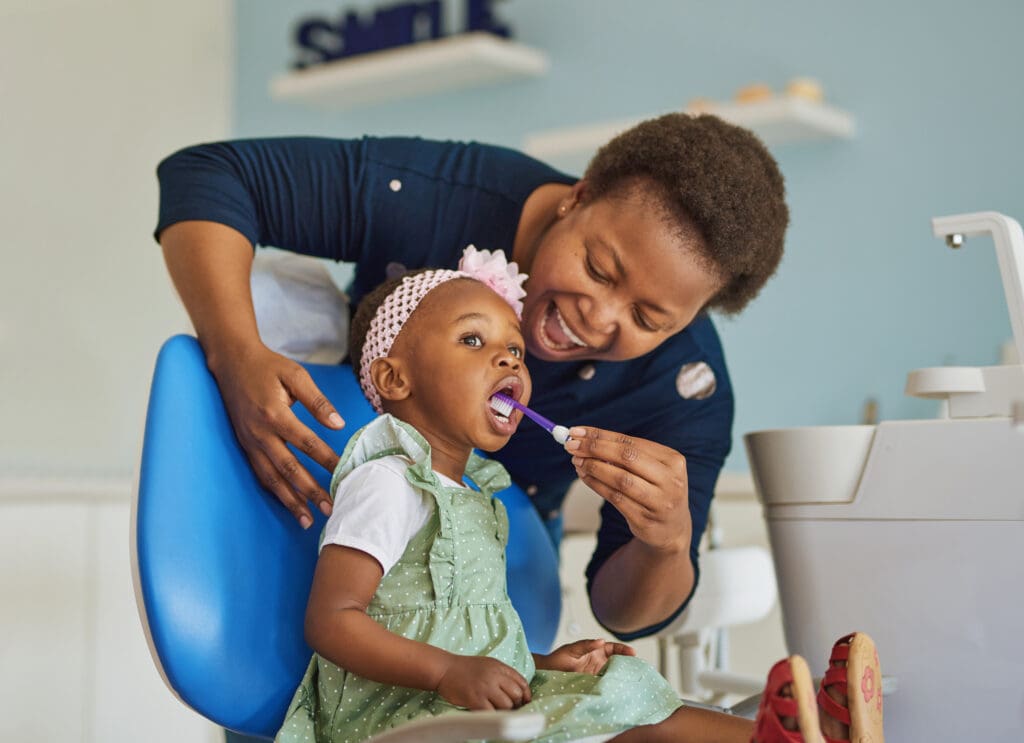
The American Academy of Pediatric Dentistry recommends that children have their first dental visit by their first birthday, or within six months of getting their first tooth. Early dental visits set the tone for a lifetime of healthy habits. These initial appointments are usually short and involve minimal treatment, focusing instead on introducing the child to the dental environment and educating parents about proper care.
Once the first visit has taken place, the dentist will determine the appropriate schedule for cleanings and exams. Starting early allows the dentist to monitor the development of the child’s teeth and address issues like teething discomfort, thumb sucking, or early signs of tooth decay before they become more serious.
Making Dental Visits Positive
Children are more likely to maintain good oral health habits when they have positive associations with the dentist. Choosing a pediatric dentist who specializes in working with children can make visits less intimidating. Using encouraging language at home and framing dental visits as part of a healthy routine also helps reduce anxiety.
Dental Cleanings in Lee’s Summit, MO
At Summit Pediatric Dentistry, we are dedicated to helping your child preserve their oral health. Even with consistent at-home oral hygiene, routine dental visits are crucial for preventing plaque build-up. With regular dental cleanings, your child can enjoy a bright smile at every stage in their life. Contact our office today to schedule their next appointment and help them take control of their dental care.